Current issue

Our Partners


Biofibre News
Image Systems’ business area RemaSawco receives an order worth approximately SEK 1.5 million from Nordic sawmill
RemaSawco has signed an agreement with a Nordic sawmill for the delivery and installation of RemaSawco’s new saw line control system. The agreement also includes a service level agreement (SLA). Installation and commissioning costs will be charged separately. The total order value amounts to just under SEK 1.5 million.
Spinnova signs letter of intent regarding potential acquisition of Tearfil
Spinnova Plc (“Spinnova” or the “company”), a materials technology company producing textile fibre from wood pulp and waste streams, has signed a non-binding letter of intent with Tearfil – Indústria Têxtil, S.A. (“Tearfil”) and its shareholders concerning a potential acquisition by Spinnova of all shares in Tearfil. Tearfil is a Portuguese yarn spinning company and a key development partner in Spinnova’s ecosystem.

Valmet delivers the first commercial-scale 3D Fiber line to Metsä Group
Metsä Group has selected Valmet to deliver a 3D Fiber molded fiber production line for their mill in Äänekoski, Finland. The investment responds to growing demand for alternatives to replace plastics by enabling high-volume industrial production of three-dimensional fiber-based packaging that is competitive with similar plastic solutions. This investment marks a significant milestone as the world’s first commercial-scale implementation of the innovation. It follows Valmet’s extensive development, piloting, and the successful launch of the 3D Fiber technology in June 2026. The start-up of the line is scheduled for 2028.
Spinnova Announces Public Filing of SEC Registration Statement for Proposed U.S. Initial Public Offering and Dual Listing
Spinnova Plc (“Spinnova” or the “company”) (Nasdaq First North Growth Market Finland: SPINN), a materials technology company producing textile fibre from wood pulp and waste streams, announces that it has publicly filed a registration statement on Form F-1 with the U.S. Securities and Exchange Commission (the “SEC”) relating to its proposed initial public offering of equity securities in the United States (the “Offering”) and dual listing on the Nasdaq Capital Market (the “U.S. Listing”) in addition to the company’s existing listing of its shares on Nasdaq First North Growth Market Finland.

Blister Pack Collective gains Papela’s converter business
PulPac announces Papela’s participation in the Blister Pack Collective, the cross-industry initiative created by PA Consulting, a Jacobs company, and PulPac to advance Dry Molded Fiber blister packaging. Papela will act as the Collective’s first converter partner and will contribute converter expertise on the development of Dry Molded Fiber blister packaging for nutraceuticals, supplements, and healthcare-related products.
Menang rapidly resumes production with new Andritz airlay line after major fire
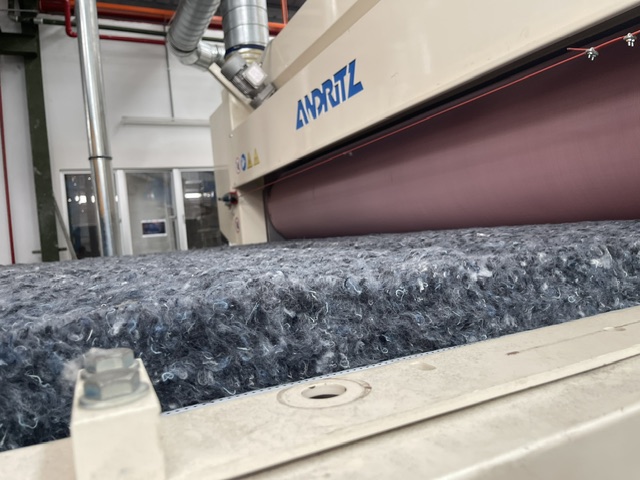
Menang, a Malaysian manufacturer of nonwoven automotive components, has resumed production after a major fire severely damaged its airlay line in mid-March 2026. A new airlay line supplied by Andritz enabled production to restart within only four months.
Wallenius SOL acquires vessels from Royal Wagenborg and signs CoA with Smurfit Westrock
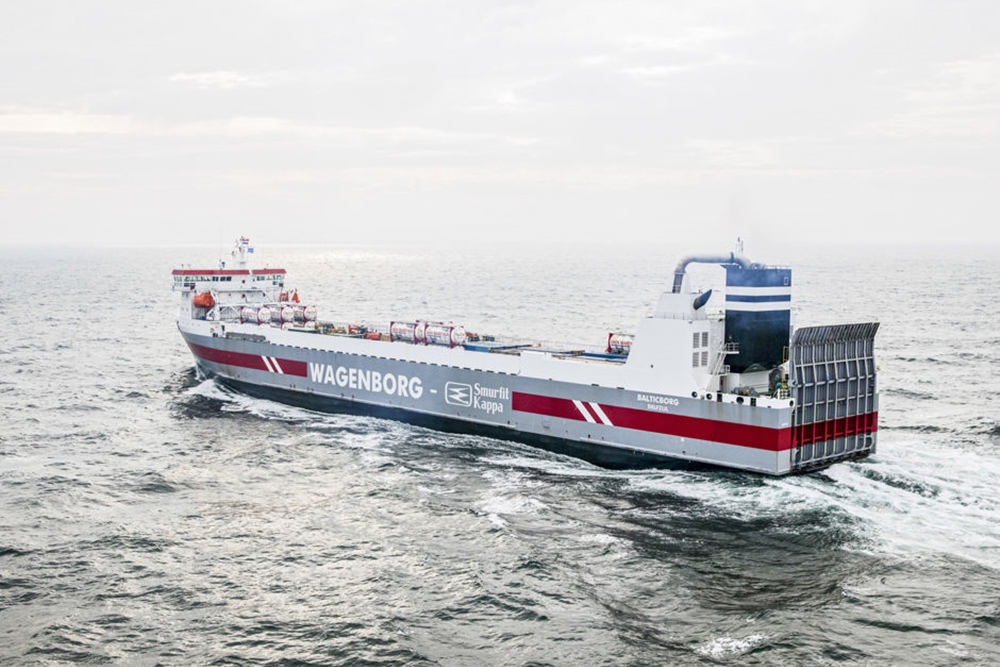
Wallenius Sol has announced the acquisition of two RoRo vessels from Royal Wagenborg, Bothniaborg and Balticborg, together with a long-term Contract of Affreightment (CoA) with Smurfit Westrock, Europe's largest kraftliner mill, located in Piteå, Sweden. The agreement marks a significant step in Wallenius Sol's continued build-out of a scalable, sustainable maritime infrastructure connecting the Bay of Bothnia with the European continent.
Greenply orders second pressurized refining system from Andritz
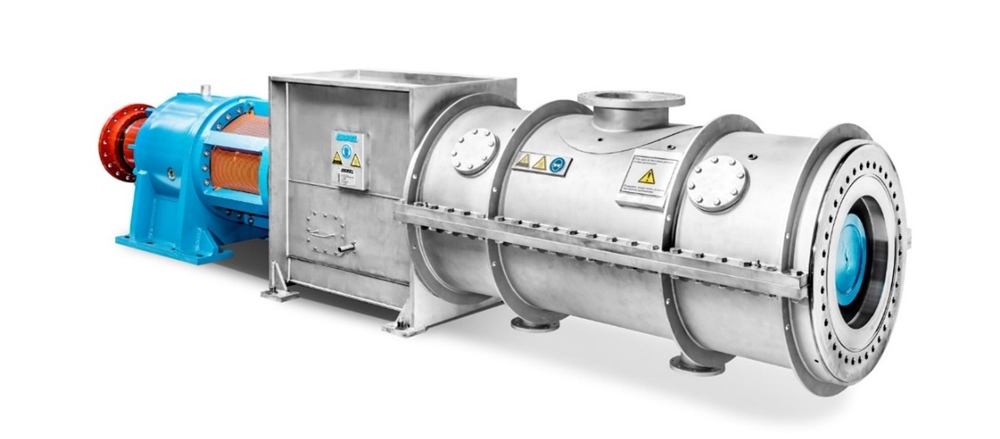
Greenply Speciality Panels Pvt. Ltd. has placed a repeat order with Andritz for a pressurized refining system for its medium-density fiberboard (MDF) production facility in Vadodara, Gujarat, India. The value of the order will not be disclosed. It is included in Andritz's order intake for the second quarter of 2026.

Valmet to deliver wood handling line to The Price Companies to secure reliable, high-quality wood chip supply
Valmet will deliver a new wood handling line to The Price Companies in Pine Bluff, Arkansas, USA. The investment will increase chipping capacity and support an efficient wood chip supply for pulp and paperboard operations. The order is included in Valmet’s orders received for the second quarter of 2026. The value of the order will not be disclosed. The new line is expected to start up in November 2028.
From policy to practice: 4evergreen enables harmonised PPWR implementation
As the EU Packaging and Packaging Waste Regulation (PPWR) moves into implementation, 4evergreen is supporting the sector in turning regulatory ambition into practical, science-based action for paper-based packaging. During its webinar “4evergreen and PPWR Technical Clarifications” on June 9th, which gathered nearly 300 participants, the alliance addressed one of the key challenges facing the paper-based packaging industry: how to apply recyclability requirements consistently across the value chain.
RemaSawco receives SEK 5.8 million order from a global forest industry group
RemaSawco has signed an agreement with a global forest industry group for the delivery of new board handling systems to one of the group's sawmills. The total order value amounts to SEK 5.8 million. The agreement also includes a Service Level Agreement (SLA), as well as installation, commissioning, and training. Delivery, installation, and commissioning are preliminarily scheduled for spring 2027.
Negative earnings in the second quarter, clear action to strengthen competitiveness
Södra posted negative earnings for the second quarter of 2026. The quarter was characterised by weak market conditions and depressed demand that persisted throughout the period, as well as an ongoing imbalance between the raw materials market and the markets for Södra’s products.